
Sauna and cold plunge therapy uses heat exposure followed by rapid cooling to regulate body temperature and stimulate the autonomic nervous system. Heat raises core temperature and relaxes muscles, while the cold plunge triggers parasympathetic activity and accelerates cooling—both key for promoting restful sleep. This contrast supports circadian rhythm alignment and reduces stress hormones sauna spa. Research highlights potential benefits but advises caution with timing, frequency, and individual health. Further details explore how to safely optimize these effects.
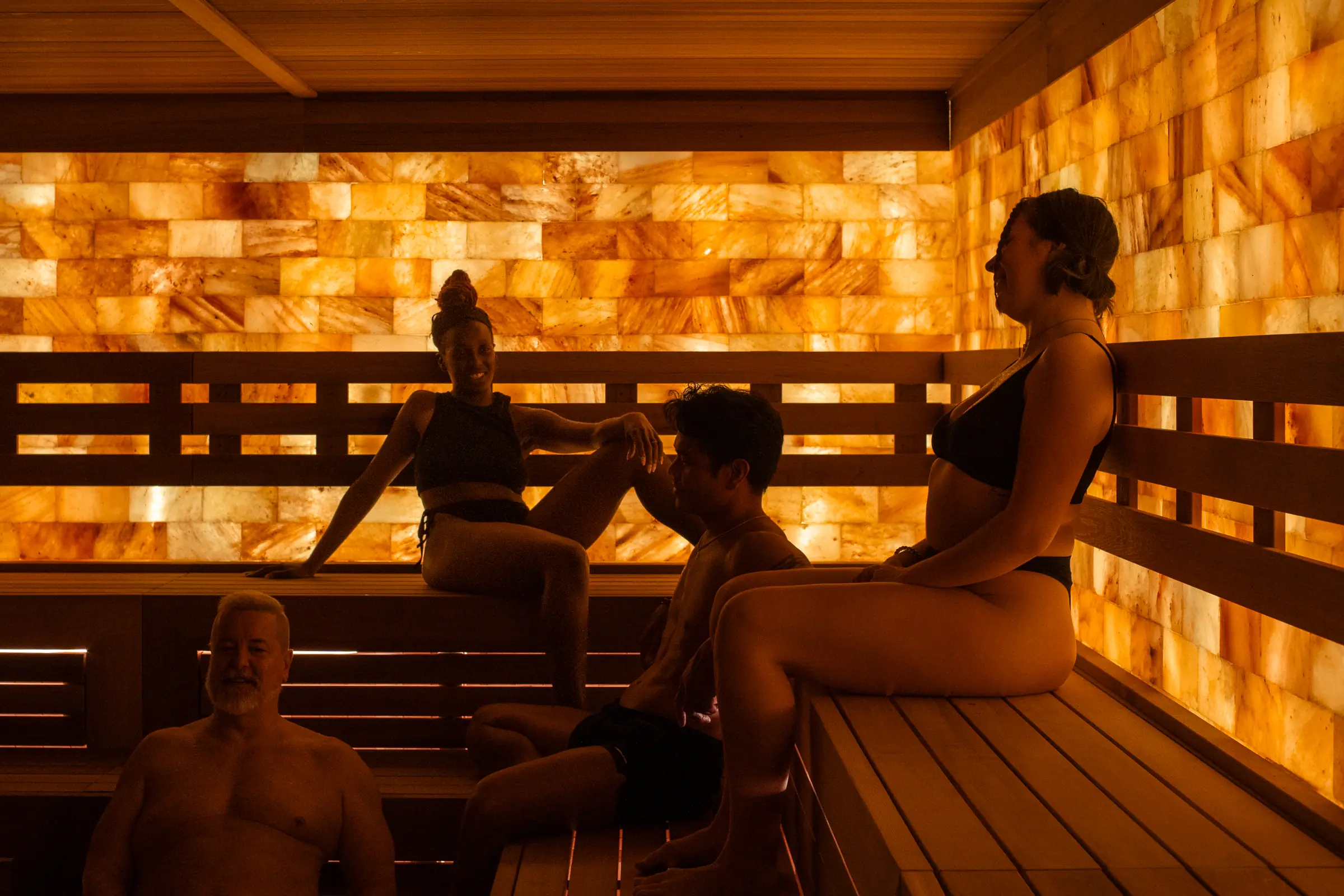
What Is Sauna and Cold Plunge: And How It Helps Sleep
Through a combination of heat exposure and rapid cooling, sauna and cold plunge therapies stimulate the body’s circulatory and nervous systems https://www.revibe.my/infrared-sauna, promoting relaxation and improved sleep quality. The sauna involves sitting in a heated environment, elevating core temperature and encouraging sweating. This process dilates blood vessels, enhancing circulation.
The cold plunge sharply lowers body temperature, triggering vasoconstriction and activating the parasympathetic nervous system. Together, these contrasting stimuli balance autonomic functions, reduce stress hormone levels, and foster a state of calm. This method appeals to individuals seeking control over their wellbeing, offering a natural, drug-free way to reset the body’s internal rhythms.
How Sauna and Cold Plunge Improve Your Sleep
The combined effects of heat exposure from a sauna and rapid cooling through a cold plunge create a physiological environment that supports deeper, more restorative sleep.
Heat from the sauna raises core body temperature, promoting relaxation and easing muscle tension. This process triggers a compensatory cooling response once exiting the sauna, which aligns with the body’s natural temperature drop before sleep.
The cold plunge accelerates this cooling phase, enhancing parasympathetic nervous system activity, which calms the mind and body. Together, these temperature shifts improve sleep onset and quality by synchronizing circadian rhythms and reducing stress hormones.
This approach offers a natural, drug-free method to enhance sleep, supporting individuals seeking autonomy over their health and well-being through simple yet effective means.
Scientific Evidence on Sauna and Cold Plunge Benefits
Why do sauna and cold plunge therapies garner increasing attention in sleep research? Scientific studies suggest these practices influence the autonomic nervous system by promoting parasympathetic activation, which aids relaxation and sleep onset.
Heat exposure from saunas raises core body temperature temporarily; the subsequent cooling period triggers vasodilation and thermoregulation, processes linked to improved sleep quality.
Cold plunges induce a brief sympathetic response, followed by enhanced parasympathetic tone, potentially reducing stress and facilitating restorative sleep.
Research also highlights reduced inflammation and improved cardiovascular function as indirect contributors to better sleep.
While evidence is growing, variability in protocols and individual responses means further investigation is needed to define ideal timing and duration. Nonetheless, current findings support the potential of sauna and cold plunge therapies as natural, accessible tools for enhancing sleep freedom.

Safe Ways to Combine Sauna and Cold Plunge for Better Rest
Scientific insights into the benefits of sauna and cold plunge therapies underscore the importance of proper application to maximize sleep improvements while minimizing risks. Combining these therapies safely requires attention to body signals and gradual adaptation.
Individuals should avoid extremes and respect their own tolerance levels to unleash restful benefits without harm.
Key safe practices include:
- Begin with moderate sauna exposure (8–12 minutes) before a brief cold plunge (1–3 minutes).
- Allow the body to return to normal temperature between cycles to prevent shock.
- Stay hydrated to support cardiovascular function during temperature shifts.
- Refrain from combining both treatments if feeling unwell or with certain medical conditions.
These guidelines promote freedom in wellness while safeguarding health for better sleep outcomes.
Best Timing, Frequency, and Who Should Try Sauna and Cold Plunge
For peak sleep benefits, sauna and cold plunge sessions are best scheduled during the evening hours, ideally one to two hours before bedtime. This timing supports the body’s natural cooling process, promoting deeper rest.
Frequency varies by individual tolerance, but two to three sessions weekly are generally effective without overstressing the system. Beginners should start slowly, gradually increasing exposure to avoid shock or discomfort.
Those with cardiovascular issues, low blood pressure, or pregnancy should consult a healthcare professional before trying these practices. Active individuals seeking recovery and relaxation often benefit most, while anyone aiming to enhance sleep quality and reset daily rhythms may find value.
The key lies in personalizing timing and frequency to align with one’s lifestyle and health status, maximizing freedom through mindful self-care.
Conclusion
Research indicates that combining sauna sessions with cold plunges may enhance sleep quality by promoting relaxation, improving circulation, and regulating body temperature. Scientific studies support these benefits, highlighting their potential to reduce stress and aid recovery. When practiced safely and with appropriate timing and frequency, this routine can be a valuable tool for those seeking better rest. However, individuals with certain health conditions should consult a healthcare professional before trying these methods.