
Barre Pilates combines ballet, Pilates, and yoga to target legs and core with low-impact, controlled movements that build lean muscle and strength. It emphasizes small, precise motions like pliés, leg lifts, and core pulses to engage deep muscle fibers often missed in traditional workouts barre class KL. Breath control and mindful movement enhance stability and endurance while promoting posture and flexibility. A focused routine with proper form maximizes tone and functional strength for everyday activity. More guidance on exercises and tips follows.

Why Barre Pilates Builds Lean Legs and a Strong Core
Through targeted, low-impact movements, Barre Pilates effectively tones the muscles of the legs and core. This workout combines elements of ballet, Pilates, and yoga to create a balanced approach that emphasizes muscle endurance and strength without bulk.
The controlled motions encourage muscle engagement and stability, promoting lean muscle development while enhancing posture and alignment. Its emphasis on small, precise movements challenges deep muscle fibers often overlooked in traditional exercise routines.
This focus helps sculpt long, lean muscles, providing strength without restricting mobility. By integrating breath control and mindful movement, barre pilates supports a sense of freedom in physical expression, allowing practitioners to move with ease and confidence.
The result is a toned, resilient body that feels agile and empowered.
Barre Pilates Moves to Tone Legs and Core
A selection of fundamental Barre Pilates moves targets the legs and core with precision and control. Exercises such as pliés, leg lifts, and pulses engage the thighs, calves, and glutes, promoting lean muscle development without bulk.
Simultaneously, core-focused movements like the hundred, plank variations, and pelvic tilts strengthen deep abdominal muscles, enhancing stability and posture. These moves emphasize slow, deliberate motions combined with breath awareness, allowing the body to move freely while maintaining alignment.
The integration of isometric holds challenges muscle endurance, sculpting toned limbs and a resilient midsection. By focusing on controlled resistance and mindful engagement, Barre Pilates offers an effective approach to refining muscle tone and building functional strength, supporting an active lifestyle unrestrained by limitations.
How to Build Your Own Barre Pilates Workout at Home
When crafting a Barre Pilates workout at home, careful selection of exercises tailored to individual goals guarantees balanced strength and flexibility development.
Starting with foundational moves targeting legs and core secures an effective routine.
Incorporating variations of pliés, leg lifts, and core pulses allows customization based on fitness levels and desired intensity.
Scheduling sessions with a mix of dynamic and static holds promotes muscle endurance and tone.
Minimal equipment, such as a sturdy chair or yoga mat, offers versatility without restricting movement.
By focusing on deliberate, controlled movements, individuals can create a fluid sequence that suits their space and time constraints.
This approach empowers practitioners to maintain consistency and progress independently, fostering both physical benefits and personal freedom within their Barre Pilates practice.
Barre Pilates Form Tips to Maximize Results
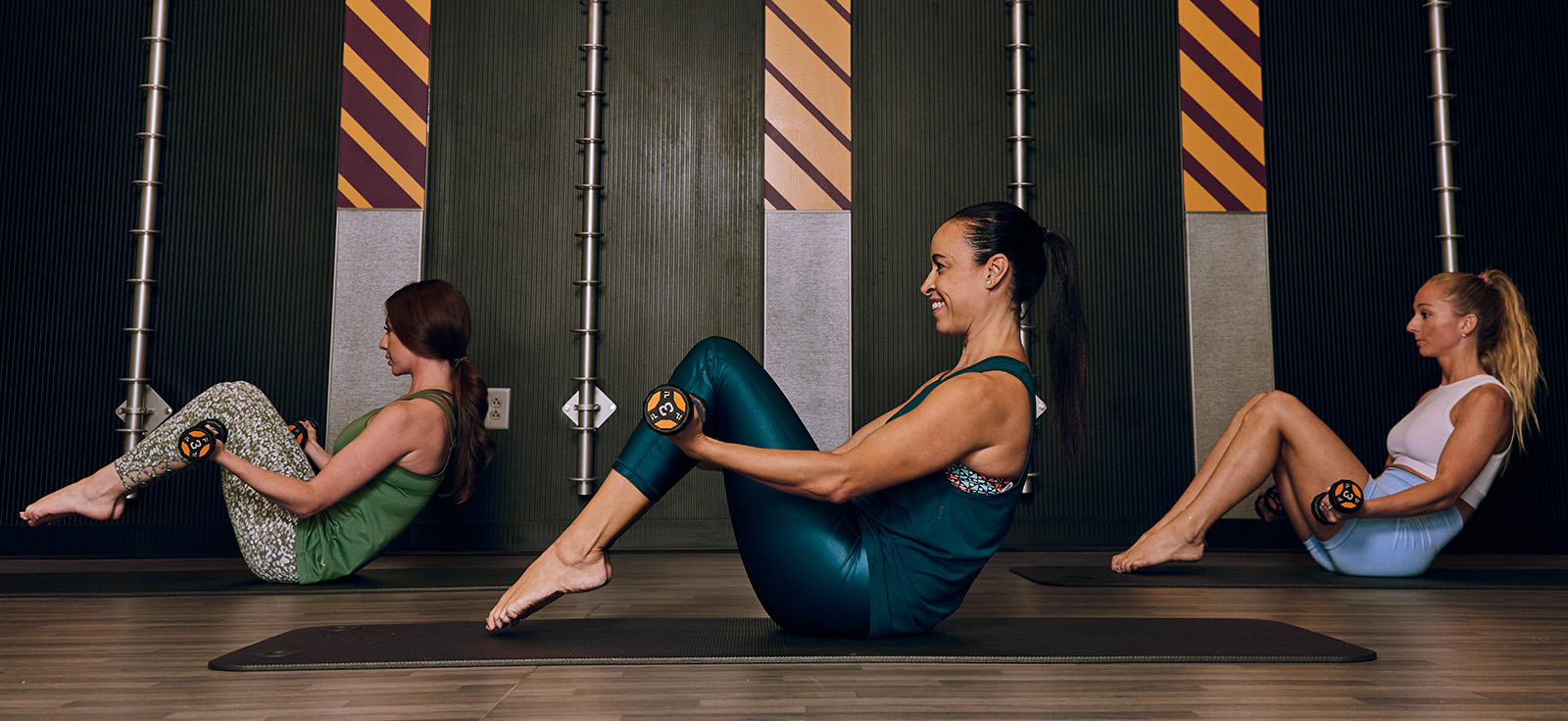
To maximize results in Barre Pilates, maintaining proper form is essential for targeting muscles effectively and preventing injury. Practitioners should focus on engaging the core throughout each movement to stabilize the spine and support balance.
Keeping shoulders relaxed and down prevents unnecessary tension, allowing for fluid motion. Aligning the hips squarely ensures leg muscles activate symmetrically.
Controlled, deliberate movements with a steady breath enhance muscle engagement and improve endurance. Avoid locking joints; instead, maintain micro-bends to protect knees and elbows.
Proper foot placement—whether on toes or flats—should correspond with the exercise’s intention to optimize muscle activation. By prioritizing precision over speed, Barre Pilates practitioners unleash the freedom to move confidently while sculpting leaner legs and a stronger core.
Additional Benefits of Barre Pilates: Posture, Flexibility & Strength
Beyond muscle toning and core strengthening, Barre Pilates offers significant improvements in posture, flexibility, and overall strength. This workout emphasizes alignment and controlled movements that encourage better spinal positioning and body awareness. Enhanced posture reduces tension and fatigue, fostering a sense of ease and freedom in daily activities.
Regular practice also increases flexibility by gently stretching muscles and joints, promoting fluidity and range of motion without strain. Additionally, Barre Pilates builds functional strength by targeting small stabilizing muscles often neglected in traditional workouts.
This balanced approach supports a resilient body capable of graceful movement and injury prevention. Collectively, these benefits empower individuals to move with confidence and freedom, enhancing both physical performance and overall well-being.
Conclusion
Barre Pilates effectively sculpts lean legs and strengthens the core through targeted, low-impact movements. By combining precise form with consistent practice, individuals can customize workouts to fit their home routines, enhancing posture, flexibility, and overall strength. This method not only tones muscles but also promotes long-term functional fitness. Incorporating Barre Pilates into regular exercise habits offers a balanced approach to achieving a leaner, stronger body while supporting improved alignment and mobility.